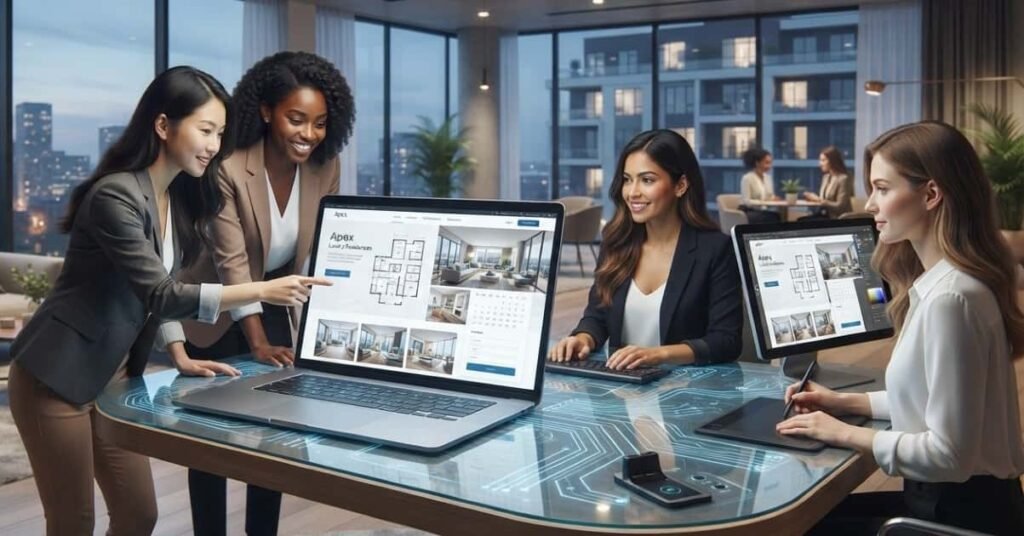
Discover how specialized apartment web design maximizes leasing velocity, integrates property management software, and delivers immersive digital renter experiences.
The multifamily real estate market operates in an environment where first impressions are formed in milliseconds. When prospective renters begin their search for a new home, they rarely start by driving through neighborhoods or picking up the phone; instead, they open a smartphone or laptop and comb through digital listings.
Whether managing a luxury high-rise in downtown Chicago, a sprawling suburban garden-style community, or a student housing complex near a major university, property owners and asset managers face a common challenge: a generic website is no longer enough to fill vacancies.
Capturing high-intent renter traffic, reducing vacancy loss, and maximizing occupancy rates require an investment in specialized apartment web design.
Designing a high-performance digital platform for multifamily properties requires much more than slapping stock photography onto a basic template. It demands an intricate fusion of immersive visual storytelling, lightning-fast technical performance, mobile-first responsiveness, and seamless integration with complex property management software.
In this comprehensive guide, we examine the core architecture of modern apartment websites, explore essential user experience strategies, and outline how specialized digital platforms drive measurable leasing velocity.
The Evolving Digital Expectations of Modern Renters
Today’s renters—spanning Gen Z, Millennials, and digital-first families expect consumer-grade digital experiences that mirror the frictionless platforms they use for online banking, retail shopping, and travel booking.
When a user lands on an apartment community’s website, they are looking to answer three fundamental questions instantly: What floor plans are available right now? How much do they cost? And how do I schedule a tour or submit an application?
If a website buries pricing information behind a cumbersome contact form, features slow-loading image galleries, or fails to display accurate, real-time unit availability, prospective renters will bounce immediately to a competing property.
Specialized apartment web design eliminates these friction points by organizing complex community data into clear, digestible, and visually compelling interfaces. The goal of the website is to transition a casual digital browser into an excited, qualified lease applicant with minimal effort.
Core Pillars of High Performing Multifamily Web Design
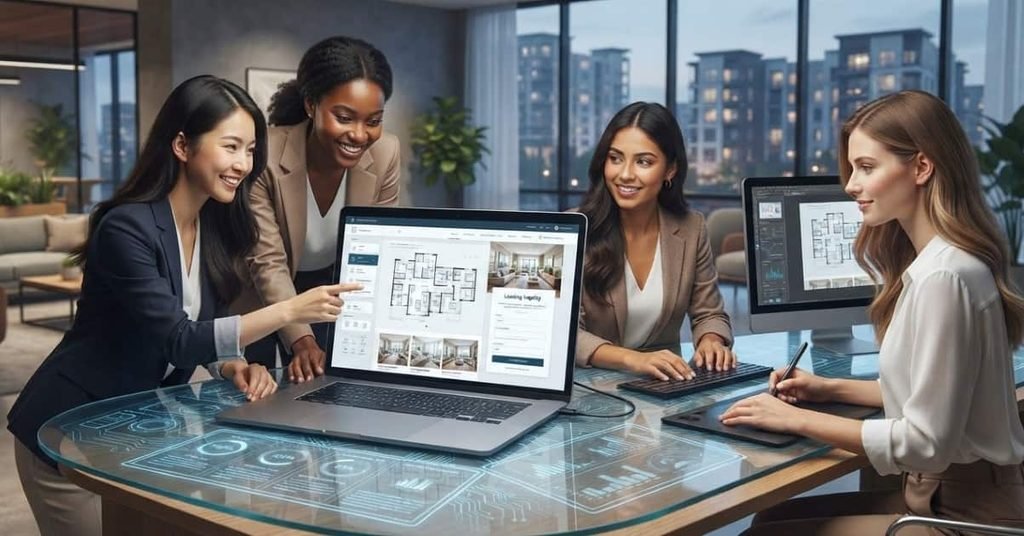
Building a resilient, high-converting digital platform for residential real estate requires mastery over several interconnected technical and design disciplines.
1. Immersive Visual Storytelling and Interactive Floor Plans
Renting an apartment is an emotional, lifestyle-driven decision. High-performing multifamily sites utilize cinematic hero videos, high-resolution photo galleries, and virtual 3D tours that allow prospective residents to visualize themselves within the space.
Furthermore, static PDF floor plans are rapidly being replaced by interactive floor plan finders. These dynamic modules allow users to filter units by price range, square footage, bedroom count, specific floor levels, and real-time move-in dates.
2. Seamless Property Management Software Integration
A modern apartment website cannot exist as an isolated island; it must function as the primary front-end interface for your property management ecosystem. Expert developers integrate platforms directly with industry-standard property management software such as Yardi, RealPage, Entrata, or ResMan.
This integration ensures that pricing matrices, floor plan availability, and real-time unit statuses update automatically on the website, eliminating manual data entry errors and ensuring prospective renters always view accurate data.
3. Mobile First Responsiveness and Core Web Vitals Optimization
The overwhelming majority of initial apartment searches and mobile map-based queries occur on smartphones. If your property’s website takes more than a couple of seconds to load on a mobile device due to unoptimized high-resolution images, you are actively losing prospective leases.
Specialized web design prioritizes fluid CSS grid layouts, adaptive image compression, and streamlined code structures to ensure lightning-fast page speeds across all screen sizes.
4. Local Search Engine Optimization and Map Integration
Getting discovered by local search engine users looking for phrases like “luxury apartments with pet spa near me” requires robust technical search engine optimization.
Apartment web design must incorporate clean semantic markup, local schema integration linked to your Google Business Profile, fast server response times, and interactive neighborhood maps that highlight local dining, transit lines, and retail hubs.
The Danger of Generic Templates and Cheap Agency Shortcuts
When property management firms look to reduce upfront marketing expenditures, they occasionally turn to cheap, off-the-shelf templates or generic website builders. While these options seem cost-effective initially, they introduce hidden operational costs and severe performance limitations.
Generic templates often suffer from bloated codebases, poor mobile responsiveness, and rigid structures that cannot support custom property management software integrations. Furthermore, because hundreds of other properties across the country utilize the exact same template layouts, your community loses its unique brand identity.
Investing in a custom or specialized apartment web design agency ensures that your digital asset reflects your property’s distinct architectural personality while driving continuous leasing conversions.
Conclusion
The success of a modern multifamily community depends heavily on the strength of its digital storefront. Settling for a sluggish, outdated website means forfeiting high-value prospective residents to tech forward competitors in your local market.
By investing in professional apartment web design that prioritizes real-time unit availability, interactive floor plans, seamless property management integrations, and mobile optimization, property owners can transform their websites into powerful, 24/7 leasing machines that drive sustained occupancy and revenue growth.
FAQs
1. What is apartment web design?
Apartment web design involves specialized digital planning, UI/UX design, and software engineering tailored specifically for multifamily real estate properties, student housing communities, and property management portfolios.
2. How do apartment websites integrate with property management software?
Specialized developers use secure API middleware to connect apartment websites directly with property management platforms like Yardi, Entrata, and RealPage, synchronizing real-time pricing and availability.
3. Why are interactive floor plans important for renters?
Interactive floor plans allow prospective residents to filter available units by price, square footage, and specific move-in dates, significantly improving user engagement and conversion rates.
4. Can a standard web design agency build an apartment website?
While general agencies can build basic sites, they often lack the technical capability to integrate complex multifamily inventory feeds, virtual tour software, and tenant portals.
5. How does mobile responsiveness impact apartment leasing?
Since the majority of renters search for apartments on smartphones, a mobile-responsive design ensures fast loading speeds, clear touch targets, and a frictionless application journey.
6. What role does local SEO play in multifamily web design?
Local SEO ensures your property appears prominently when nearby users search for specific neighborhood keywords, floor plan styles, or community amenities on search engines.
7. How long does it take to launch a custom apartment website?
A comprehensive custom apartment web design and development project typically takes between 8 to 16 weeks from initial brand discovery and wireframing to final deployment.
What primary leasing bottleneck or software integration challenge is your property management team looking to solve with a website redesign this year?