

When people ask who is semantic SEO expert Ben Stace, they’re looking for someone who has changed how we think about search engine optimization. In today’s digital world, understanding what is semantic SEO has become critical for anyone serious about online visibility. Ben Stace stands out as a leading figure in this field, helping businesses and SEO professionals understand the deeper connections between content, context, and search engine rankings.
Who Is Ben Stace?
Ben Stace is a recognized authority in semantic SEO who has dedicated his career to understanding how search engines interpret meaning and context. Unlike traditional SEO experts who focus primarily on keywords and technical factors, Ben Stace takes a more comprehensive approach that considers the relationships between concepts, entities, and user intent.
His expertise extends beyond simple keyword optimization to encompass the full spectrum of semantic search. Ben has worked with numerous businesses, from small startups to large corporations, helping them create content strategies that align with how modern search engines actually work.
Background and Experience
Ben Stace’s journey into semantic SEO began when he noticed that traditional keyword-focused strategies were becoming less effective. He observed that search engines were getting better at understanding context and user intent, leading him to develop new approaches that work with these advances rather than against them.
His work focuses on:
- Entity-based SEO strategies
- Topic modeling and clustering
- Natural language processing applications
- Knowledge graph optimization
- Content semantic analysis
What Is Semantic SEO?
To understand why who is semantic SEO expert Ben Stace is such an important question, we first need to grasp what semantic SEO actually means. Semantic SEO is an approach that focuses on the meaning and context behind search queries rather than just matching specific keywords.
Key Elements of Semantic SEO
Entity Recognition: This involves identifying and optimizing for entities (people, places, things, concepts) rather than just keywords.
Topic Clusters: Creating content around related topics that support each other and demonstrate expertise in a subject area.
User Intent: Understanding what users really want when they search for something, not just the words they use.
Contextual Relationships: Building connections between different pieces of content and concepts.
Natural Language Processing: Creating content that matches how people naturally speak and ask questions.
Why Semantic SEO Matters
Search engines have evolved significantly. Google’s algorithms now use machine learning to better understand the context and intent behind searches. This means that pages ranking well today often focus on comprehensive topic coverage rather than keyword density.
Ben Stace’s Approach to Semantic SEO
Ben Stace’s methodology stands out because it combines technical understanding with practical application. His approach involves several key components that make semantic SEO accessible to businesses of all sizes.
The Foundation Strategy
Ben emphasizes building a strong foundation through:
Research Phase: Deep analysis of topic relationships and entity connections within a specific industry or niche.
Content Architecture: Designing content structures that reflect natural topic relationships and support comprehensive coverage.
Implementation: Practical steps for creating and optimizing content using semantic principles.
Practical Applications
Ben Stace doesn’t just talk about theory – he provides concrete methods for implementing semantic SEO:
- Creating topic maps that show relationships between different concepts
- Developing content calendars based on semantic clustering
- Using structured data to help search engines understand content better
- Building internal linking strategies that reflect topic relationships
What Is Semantic Analysis of SEO?
What is semantic analysis of SEO is a question that Ben Stace addresses frequently in his work. Semantic analysis in SEO involves examining how different pieces of content relate to each other and to the broader topic landscape.
Components of Semantic Analysis
Lexical Analysis: Looking at the actual words and phrases used in content and how they relate to each other.
Syntactic Analysis: Understanding the structure and grammar of content to determine meaning.
Semantic Analysis: Examining the actual meaning and context of content beyond just the words used.
Tools for Semantic Analysis
Ben Stace recommends various tools for conducting semantic analysis:
- Natural language processing tools
- Entity recognition software
- Topic modeling platforms
- Knowledge graph analysis tools
- Content gap analysis systems
The Difference Between Semantic SEO and Traditional SEO
Understanding what is the difference between semantic SEO and traditional SEO is crucial for anyone looking to improve their search rankings. Ben Stace explains this difference through practical examples and real-world applications.
Traditional SEO Approach
Traditional SEO typically focuses on:
- Specific keyword targeting
- Keyword density optimization
- Exact match domains and URLs
- Link quantity over quality
- Technical factors without context consideration
Semantic SEO Approach
Semantic SEO, as Ben Stace teaches it, emphasizes:
- Topic authority and comprehensive coverage
- Natural language and user intent
- Entity relationships and context
- Quality connections and relevant links
- Technical optimization that supports meaning
Practical Differences
Content Creation: Traditional SEO might create separate pages for “best coffee shops” and “top coffee houses,” while semantic SEO recognizes these as related concepts that could be covered comprehensively on one authoritative page.
Keyword Research: Traditional methods focus on search volume and difficulty, while semantic approaches look at topic relationships and user journey mapping.
Link Building: Traditional SEO seeks any relevant links, while semantic SEO prioritizes links that strengthen topical authority and entity relationships.
How to Write Semantic SEO Content
Ben Stace provides clear guidance on how to write semantic SEO content that performs well in modern search engines. His approach combines strategic planning with practical writing techniques.
Content Planning Process
Topic Research: Start with comprehensive research into the topic area, identifying related concepts, common questions, and knowledge gaps.
Entity Mapping: Identify key entities (people, places, organizations, concepts) related to your topic and plan to include relevant ones naturally.
User Intent Analysis: Understand the different reasons people might search for information related to your topic.
Writing Techniques
Natural Language: Write in a conversational tone that matches how people actually speak and search.
Comprehensive Coverage: Address related subtopics and questions within your main content rather than creating separate pages for every variation.
Context Building: Use related terms and concepts naturally throughout your content to build semantic relationships.
Structured Information: Organize content clearly with headings, lists, and logical flow that both users and search engines can follow easily.
Content Optimization
Ben Stace recommends these optimization techniques:
- Use schema markup to help search engines understand your content structure
- Create internal links between related topics
- Include related entities and concepts naturally
- Answer common questions within your content
- Build topic clusters that support each other
The Three Types of Semantic Analysis
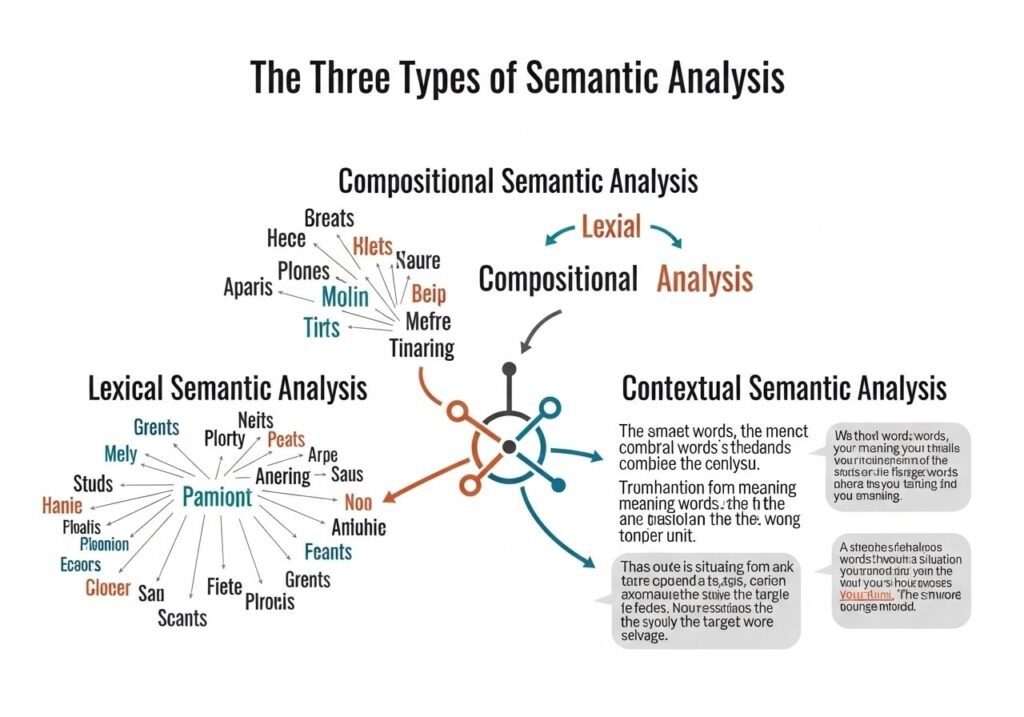
When discussing what are the three types of semantic analysis, Ben Stace breaks this down into categories that SEO professionals can understand and apply.
1. Lexical Semantic Analysis
This type focuses on word-level meaning and relationships. It involves:
- Synonym and related term identification
- Word sense disambiguation
- Lexical chain analysis
- Term frequency and distribution patterns
2. Compositional Semantic Analysis
This examines how words combine to create meaning:
- Phrase and sentence level analysis
- Grammar and syntax consideration
- Context-dependent meaning interpretation
- Multi-word expression handling
3. Pragmatic Semantic Analysis
This considers context and real-world application:
- User intent interpretation
- Cultural and situational context
- Implied meaning recognition
- Discourse analysis
Ben Stace’s Tools and Methodologies
Ben Stace has developed and recommends various tools and methodologies for implementing semantic SEO effectively. His approach combines automated tools with manual analysis for the best results.
Recommended Tool Categories
Entity Analysis Tools: Software that can identify and analyze entities within content and across the web.
Topic Modeling Platforms: Tools that help identify relationships between different topics and concepts.
Natural Language Processing APIs: Services that can analyze content for semantic meaning and relationships.
Knowledge Graph Tools: Platforms for understanding how entities and concepts connect in knowledge graphs.
Manual Analysis Methods
Ben also emphasizes the importance of human analysis:
- Manual topic mapping exercises
- Competitor content analysis
- User feedback and behavior analysis
- Expert knowledge integration
Real-World Applications
Ben Stace’s semantic SEO strategies have been applied across various industries with measurable results. His case studies demonstrate how semantic approaches can outperform traditional methods.
E-commerce Applications
For online retail businesses, Ben’s methods help:
- Create product category pages that cover related items comprehensively
- Develop buying guides that address the full customer journey
- Build brand authority through topic expertise
- Improve product discovery through better search visibility
Service-Based Businesses
Professional service providers benefit from:
- Comprehensive service area coverage
- Authority building in specific expertise areas
- Better local search performance through entity optimization
- Improved lead quality through intent-focused content
Content Publishers
Media companies and content creators see improvements in:
- Topic authority development
- Audience engagement and retention
- Search visibility for competitive topics
- Content performance and sharing
Learning from Ben Stace
For those interested in learning semantic SEO from Ben Stace, he offers various resources and approaches to education. His teaching methodology focuses on practical application rather than just theoretical knowledge.
Educational Resources
Workshops and Training: Ben conducts workshops that combine theory with hands-on practice.
Case Study Analysis: He shares detailed breakdowns of successful semantic SEO implementations.
Tool Training: Specific instruction on using various semantic analysis and optimization tools.
Key Learning Areas
Students of Ben Stace’s methods typically focus on:
- Understanding search engine evolution and future trends
- Developing skills in content strategy and topic planning
- Learning to use semantic analysis tools effectively
- Building measurement and optimization processes
Implementation Support
Ben provides ongoing support for implementing semantic SEO strategies:
- Strategy development consultation
- Implementation guidance and troubleshooting
- Performance analysis and optimization recommendations
- Team training and skill development
Advanced Semantic SEO Concepts
Ben Stace also works with advanced concepts that push the boundaries of traditional SEO thinking. These approaches are particularly relevant for competitive industries and complex topic areas.
Knowledge Graph Optimization
Understanding how to optimize for inclusion in knowledge graphs and featured snippets requires:
- Structured data implementation
- Entity relationship building
- Authority signal development
- Comprehensive topic coverage
Voice Search Optimization
As voice search becomes more prevalent, Ben’s semantic approach proves particularly valuable:
- Natural language query optimization
- Conversational content development
- Local entity optimization
- Question-focused content strategy
AI and Machine Learning Applications
Ben stays current with developments in AI and machine learning that affect search:
- Understanding neural network approaches to search
- Adapting to algorithm updates focused on meaning
- Preparing for future search technology developments
Measuring Semantic SEO Success
Ben Stace emphasizes the importance of proper measurement and analysis when implementing semantic SEO strategies. The metrics for semantic SEO success often differ from traditional SEO measurements.
Key Performance Indicators
Topic Authority Metrics: Measuring how well content covers topic areas comprehensively.
Entity Recognition: Tracking how well search engines recognize and associate entities with your content.
User Engagement Signals: Monitoring metrics that indicate content quality and user satisfaction.
Search Visibility Improvements: Measuring rankings across related topic areas, not just specific keywords.
Long-term Success Factors
Ben focuses on sustainable approaches that build long-term value:
- Building genuine expertise and authority
- Creating content that serves user needs comprehensively
- Developing relationships and connections within topic areas
- Maintaining consistency and quality over time
Conclusion
Understanding who is semantic SEO expert Ben Stace reveals someone who has dedicated his career to helping others navigate the evolution of search engine optimization. His approach to semantic SEO provides practical methods for creating content that works with modern search algorithms rather than trying to manipulate them.
Ben Stace’s expertise spans from basic semantic analysis of SEO concepts to advanced implementation strategies. His clear explanations of the difference between semantic SEO and traditional SEO help businesses understand why they need to adapt their approaches. His guidance on how to write semantic SEO content and understanding the three types of semantic analysis provides actionable frameworks for improvement.
The value of Ben Stace’s work lies not just in his technical knowledge, but in his ability to make complex concepts accessible and actionable. Whether you’re a business owner looking to improve your online visibility or an SEO professional seeking to expand your skills, Ben Stace’s semantic SEO expertise offers valuable insights and practical strategies for success in modern search environments.
For anyone serious about SEO success in today’s search landscape, learning from experts like Ben Stace isn’t just helpful – it’s essential for staying competitive and effective in an ever-evolving digital world.