
Ben Stace has cracked the code on semantic SEO, helping websites climb Google’s rankings by focusing on topic authority rather than individual keywords. This guide is for digital marketers, content creators, and business owners who want to understand how Stace’s proven methods can transform their search visibility.
You’ll discover Ben Stace’s core semantic SEO philosophy that prioritizes user intent over keyword stuffing. We’ll break down his systematic approach to building topic clusters that establish your site as an authority in your niche. Finally, you’ll learn his advanced techniques for structuring content and tracking results that consistently deliver higher Google rankings.
Understanding Ben Stace’s Semantic SEO Philosophy

Core Principles Behind Semantic Search Optimization
Ben Stace’s approach to semantic SEO centers on understanding that search engines now think more like humans. Instead of matching exact keywords, they grasp the meaning behind queries and deliver relevant results based on context. This shift means creating content that answers real questions people ask, not just content stuffed with keywords.
The foundation of semantic SEO lies in building comprehensive topic coverage. When you write about “digital marketing,” you also need to cover related concepts like lead generation, conversion optimization, and customer acquisition. Search engines see these connections and reward content that thoroughly explores a subject area.
Entity-based optimization forms another cornerstone of this strategy. Search engines recognize people, places, brands, and concepts as distinct entities. Smart content creators mention relevant entities naturally within their content, helping search engines understand the full context of what they’re discussing.
Why Traditional Keyword Stuffing Fails in Modern SEO
Search algorithms have evolved far beyond counting keyword density. Google’s RankBrain and BERT updates specifically target artificial-sounding content that prioritizes keywords over readability. Pages that repeat the same phrases multiple times now face penalties rather than rankings boosts.
Modern algorithms can detect when content feels unnatural. They analyze sentence structure, vocabulary diversity, and semantic relationships between words. Content that flows naturally and uses synonyms and related terms performs better than repetitive keyword-heavy text.
| Traditional Approach | Modern Semantic Approach |
| Exact keyword repetition | Natural language variations |
| High keyword density | Topic comprehensiveness |
| Single-focus content | Multi-faceted coverage |
| Rigid phrase matching | Contextual understanding |
The Importance of User Intent in Content Strategy
User intent drives every successful semantic SEO campaign. People search with three main goals: finding information, navigating to specific sites, or making purchases. Understanding which intent your target keywords serve helps shape your content approach.
Informational queries require comprehensive, educational content that answers questions thoroughly. Someone searching “how to improve website speed” wants step-by-step guidance, not a sales pitch. Commercial intent keywords need content that helps people evaluate options and make decisions.
Search behavior patterns reveal deeper insights about user needs. Long-tail keywords often indicate specific problems people want to solve. Short, broad keywords might suggest early-stage research. Matching your content depth and style to these different intent types improves both rankings and user satisfaction.
How Search Engines Understand Context and Meaning
Search engines build context through multiple signals working together. They analyze the words surrounding your target keywords, looking for supporting terms and related concepts. A page about “apple” that mentions “fruit,” “nutrition,” and “recipes” gets classified differently than one mentioning “iPhone,” “technology,” and “software.”
Co-occurrence patterns help algorithms understand relationships between topics. When certain terms frequently appear together across high-quality content, search engines learn these associations. Smart content creators leverage these patterns by naturally including related terminology.
Semantic networks connect concepts across the web. Search engines map how different topics relate to each other, creating vast knowledge graphs. Your content fits into these networks based on the entities, concepts, and relationships you discuss. Pages that connect well to existing knowledge structures tend to rank higher for relevant queries.
Building Topic Clusters and Content Hubs
Creating Comprehensive Topic Maps for Target Subjects
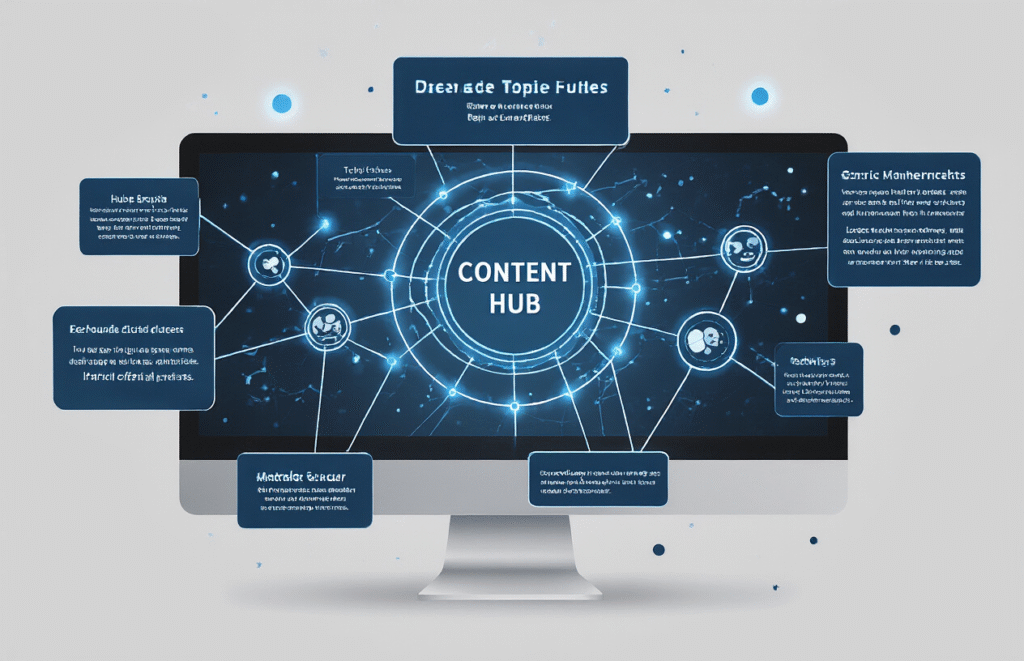
Ben Stace approaches semantic SEO by building detailed topic maps that serve as the blueprint for his content strategy. These maps go beyond simple keyword lists and instead focus on understanding the complete semantic landscape around a subject.
The process starts with identifying the core topic, then branching out to related subtopics, entities, and concepts that users might search for. For example, if the main topic is “digital marketing,” the map would include branches for social media marketing, email marketing, content strategy, analytics, and conversion optimization.
Each branch gets further subdivided into specific questions, pain points, and related concepts. This creates a web of interconnected ideas that mirrors how Google’s algorithm understands topic relationships. Ben uses tools like Answer the Public, Google’s “People Also Ask” sections, and competitor analysis to uncover these semantic relationships.
The topic map becomes a living document that guides content creation decisions. Rather than creating random blog posts, every piece of content fits into this larger semantic structure. This systematic approach ensures comprehensive topic coverage and helps establish topical authority in Google’s eyes.
Establishing Pillar Pages and Supporting Content
The pillar page strategy forms the backbone of Ben’s semantic SEO approach. These comprehensive pages serve as the main hub for broad topics, typically targeting high-volume, competitive keywords.
A pillar page covers a topic exhaustively, providing substantial value while linking to more specific subtopic pages. For instance, a pillar page about “SEO Strategy” might be 4,000-5,000 words long, covering everything from keyword research to technical optimization, while linking to dedicated pages about local SEO, link building, and content optimization.
Supporting content pieces dive deeper into specific aspects mentioned on the pillar page. These cluster pages target long-tail keywords and answer specific user questions. The relationship between pillar and cluster content creates a semantic web that signals topical expertise to search engines.
Ben structures these relationships carefully:
- Pillar pages target broad, competitive keywords
- Cluster pages target specific, long-tail variations
- Supporting articles address related questions and problems
- Resource pages provide tools, templates, and additional value
This hierarchy ensures that every piece of content has a clear purpose within the larger semantic structure.
Internal Linking Strategies That Boost Semantic Relevance
Strategic internal linking is where Ben’s semantic SEO strategy really shines. Rather than random internal links, he creates purposeful connections that reinforce topical relationships and guide both users and search engines through related content.
The linking strategy follows these principles:
Contextual Relevance: Links appear naturally within content where they add genuine value. Instead of forcing links into content, Ben identifies opportunities where additional information would genuinely help readers understand the topic better.
Anchor Text Variation: Rather than using exact-match anchor text repeatedly, Ben varies the linking phrases to include related terms, synonyms, and natural language patterns. This approach strengthens semantic connections while avoiding over-optimization.
Hub and Spoke Connections: Pillar pages link out to all relevant cluster content, while cluster pages link back to the pillar and to each other when contextually appropriate. This creates a strong internal link structure that reinforces the topic cluster.
Progressive Information Architecture: Links guide users on a logical journey through information. Basic concepts link to more advanced topics, creating natural user paths that keep visitors engaged longer.
Ben also uses internal linking to balance page authority throughout the site. High-authority pages pass link equity to newer or less visible content, helping the entire topic cluster perform better in search results. This strategic distribution of link authority strengthens the semantic relationships Google recognizes between related pages.
Advanced Keyword Research Techniques

Finding Related Terms and Synonyms for Comprehensive Coverage
Ben Stace’s approach to semantic keyword research goes far beyond stuffing primary keywords into content. He focuses on building a comprehensive vocabulary around each topic by identifying semantically related terms that Google’s algorithms naturally associate together.
Start with your primary keyword and expand outward using tools like LSIGraph, Answer The Public, and Google’s own Keyword Planner. Look for terms that share semantic relationships rather than just exact match variations. For example, if targeting “digital marketing,” related semantic terms include “online advertising,” “brand awareness,” “customer acquisition,” and “conversion optimization.
Stace recommends creating semantic maps that group related concepts together. These maps help you understand how different terms connect and which ones Google considers contextually relevant. Use tools like SEMrush’s Keyword Magic Tool to discover semantic clusters, then organize them into primary, secondary, and supporting keyword categories.
Pay special attention to industry jargon and technical terms that your audience uses. These often carry strong semantic weight and help establish topical authority. Don’t forget about action words, modifiers, and descriptive phrases that naturally occur around your main topics.
Using Search Suggestions and Related Queries for Content Ideas
Google’s search suggestions reveal exactly what real users are asking about your topics. Stace treats these suggestions as direct insights into user intent and semantic relationships that Google recognizes.
Type your main keyword into Google and examine the autocomplete suggestions that appear. These represent high-volume, semantically connected searches. Scroll to the bottom of search results pages to find “Related searches” – another goldmine of semantic connections.
The “People also ask” section provides question-based keywords that reveal user intent patterns. These questions often contain long-tail semantic variations that can become subheadings or content sections. Screenshot these sections and compile them into a master list of user questions.
Use tools like AlsoAsked.com to expand on the “People also ask” data, creating comprehensive question maps around your topics. Each question represents a semantic pathway that Google recognizes, making them valuable for content planning.
Google Trends can show you how search language evolves over time. Look for emerging terms and phrases that are gaining semantic relevance in your industry. This forward-thinking approach helps you create content that aligns with developing search patterns.
Analyzing Competitor Content Gaps and Opportunities
Competitor analysis in semantic SEO means identifying topics and semantic territories where competitors have weak coverage or missed opportunities. Stace uses this analysis to find semantic gaps where his content can establish authority.
Start by identifying your top 5-10 competitors who rank for your target keywords. Use tools like Ahrefs or SEMrush to analyze their content at scale. Look beyond just the keywords they rank for – examine the semantic themes and subtopics they cover or ignore.
Create content gap analyses by comparing your semantic coverage against competitors. Look for topics where multiple competitors have thin content or where they’re missing important semantic connections. These gaps represent opportunities to create more comprehensive, semantically rich content.
| Analysis Area | What to Look For | Tools to Use |
| Topic Coverage | Missing subtopics and themes | Ahrefs Content Gap |
| Question Coverage | Unanswered user questions | Answer The Public |
| Semantic Depth | Shallow treatment of complex topics | Manual content review |
| Long-tail Coverage | Missed long-tail opportunities | SEMrush Keyword Gap |
Pay attention to how competitors structure their content semantically. Are they covering topics in isolation, or are they connecting related concepts? Often, you’ll find opportunities to create better semantic connections between ideas that competitors treat separately.
Leveraging Long-Tail Keywords for Semantic Depth
Long-tail keywords form the backbone of semantic SEO because they contain natural language patterns and contextual clues that help Google understand your content’s true meaning and purpose.
These longer phrases typically have lower search volume but higher conversion potential and clearer semantic intent. Instead of competing for “SEO,” target phrases like “how to improve website rankings with semantic SEO techniques” or “semantic SEO strategy for small businesses.”
Stace categorizes long-tail keywords into semantic buckets based on user intent:
- Informational long-tails: “what is semantic SEO and how does it work”
- Navigational long-tails: “Ben Stace semantic SEO course review”
- Transactional long-tails: “best semantic SEO tools for agencies”
- Commercial investigation: “semantic SEO vs traditional SEO comparison”
Use Google Search Console data to identify long-tail terms where you’re already ranking but could improve. These represent semantic opportunities where Google already sees relevance but where you could strengthen your position with better optimization.
Long-tail keywords also reveal the natural language patterns your audience uses. Incorporate these exact phrases into your content, especially in headers, first paragraphs, and FAQ sections. This helps Google better understand the semantic context of your content while matching user search patterns more precisely.
Build content clusters around families of related long-tail keywords. This approach creates semantic depth that signals comprehensive topic coverage to search engines while serving diverse user needs within the same topic area.
Content Structure and On-Page Optimization

Creating content that answers multiple user queries
Ben Stace’s approach to content creation revolves around understanding the complete user journey and all the questions people might ask around a single topic. Instead of targeting just one keyword, he builds comprehensive pages that address related queries users typically search for in sequence.
The key lies in mapping out the user’s thought process. When someone searches for “how to bake sourdough bread,” they often have follow-up questions like “how long does sourdough take to rise” or “what ingredients do I need for sourdough starter.” Stace anticipates these related searches and weaves answers naturally throughout his content.
His content strategy involves creating what he calls “query clusters” – groups of related questions that users ask about the same topic. He then structures his content to flow logically from one question to the next, creating a seamless experience that keeps users engaged and signals topical authority to Google.
This approach works because Google’s algorithm has become sophisticated at understanding user intent beyond individual keywords. When your content thoroughly covers a topic and answers related questions, search engines recognize this comprehensiveness and reward it with better rankings across multiple query variations.
Using schema markup to enhance search understanding
Schema markup acts as a translator between your content and search engines, helping Google understand exactly what your page is about and how different elements relate to each other. Stace implements specific schema types that align with his content’s purpose and structure.
For content hubs, he uses Article schema combined with FAQPage schema to highlight the comprehensive nature of his content. When creating how-to content, he implements HowTo schema that breaks down processes into clear steps, making his content eligible for rich snippets and featured positions.
Product or service pages get enhanced with appropriate business schema, including Organization markup that establishes entity relationships. This helps Google understand the connection between different pages on his site and builds stronger topical relevance signals.
The most powerful aspect of Stace’s schema strategy is layering multiple schema types on single pages when appropriate. A blog post about local SEO services might include Article, LocalBusiness, and FAQPage schema, creating multiple pathways for Google to understand and categorize the content.
Testing schema implementation through Google’s Rich Results Test tool ensures proper markup validation. Stace monitors search console data to track how schema affects click-through rates and search appearance features.
Optimizing headings and subheadings for semantic clarity
Heading structure creates the backbone of semantic SEO, and Stace treats it as a roadmap that guides both users and search engines through his content. His heading optimization goes beyond keyword placement to focus on logical information hierarchy and natural language patterns.
Main headings (H1) clearly state the primary topic while subheadings (H2, H3) break down related subtopics in a logical sequence. Each heading uses natural language that matches how people actually speak and search, avoiding keyword stuffing or awkward phrasing.
Stace creates semantic relationships between headings by using related terms and synonyms. If his H1 targets “content marketing strategy,” his H2s might address “content planning,” “audience research,” and “content distribution” – terms that Google associates with the main topic.
The heading structure also supports featured snippet optimization. By formatting headings as questions and providing direct answers in the following content, his pages become candidates for position zero results. This approach works particularly well for comparison topics and step-by-step processes.
Consistency in heading formatting helps establish content patterns that search engines can easily parse. Stace maintains similar heading structures across related pages, creating a semantic web that strengthens his site’s topical authority.
Implementing natural language processing best practices
Natural language processing (NLP) best practices focus on writing content that mirrors human conversation patterns while satisfying algorithmic requirements. Stace incorporates variations of target terms naturally throughout his content, using synonyms and related phrases that people actually use when discussing topics.
Sentence structure varies to create natural reading rhythm. Short, punchy sentences mix with longer, more detailed explanations. This variation keeps readers engaged while providing comprehensive information that search engines can easily parse and understand.
Entity mentions play a crucial role in NLP optimization. Stace references relevant people, places, brands, and concepts within his content, creating semantic connections that help search engines understand context and topical relationships. These entity mentions happen naturally within the content flow rather than feeling forced or promotional.
Co-occurrence patterns matter significantly in modern SEO. Stace ensures that related terms and concepts appear together in logical contexts throughout his content. When discussing email marketing, terms like “automation,” “segmentation,” and “open rates” naturally appear in proximity, reinforcing topical relevance signals.
Voice search optimization influences his NLP approach as well. Content includes conversational phrases and question-based language that matches how people speak queries aloud. This preparation for voice search also improves traditional search performance by aligning with natural language patterns that Google’s algorithm increasingly prioritizes.
Measuring and Tracking Semantic SEO Success

Key performance indicators for semantic optimization
Tracking semantic SEO success requires looking beyond traditional ranking metrics. Organic traffic growth remains important, but the quality and context of that traffic matter more. Focus on measuring improvements in search visibility for your primary topic and related semantic keywords, not just your main target phrase.
Click-through rates (CTR) from search results provide valuable insights into how well your content matches user intent. When your semantic optimization works, people find your content more relevant to their queries, leading to higher CTR across multiple related keywords. Track CTR improvements for your entire topic cluster, not individual pages.
Dwell time and user engagement metrics reveal whether visitors find comprehensive value in your content. Pages optimized for semantic search typically see increased time on page, lower bounce rates, and higher pages per session as users explore related content within your topic cluster.
Conversion rates from organic traffic often improve with semantic optimization because you’re attracting more qualified visitors who find exactly what they’re looking for. Monitor how semantic traffic converts compared to traditional keyword-focused traffic.
Tools and metrics for monitoring topical authority
Google Search Console remains your primary tool for tracking semantic performance. The Performance report shows which queries trigger your content, revealing semantic relationships you might have missed. Pay attention to the “Queries” tab to identify new semantic keywords driving traffic.
SEMrush and Ahrefs offer topical authority tracking features that help you understand how Google perceives your site’s expertise in specific subject areas. These tools can track your domain’s authority for entire topics, not just individual keywords.
Use Google Analytics 4’s audience insights to understand user behavior patterns across your topic clusters. The “Engagement” reports show how users navigate between related content pieces, indicating strong semantic connections.
Brand monitoring tools like Mention or Brand24 help track how your content gets referenced and linked in relation to your target topics. Quality backlinks from topically relevant sources boost your semantic authority.
Analyzing search result features and rankings improvements
Featured snippets represent major semantic SEO wins. Track how often your content appears in position zero for topic-related queries. Screenshot and document featured snippet appearances to understand which content formats Google prefers for your topics.
People Also Ask (PAA) boxes offer insights into semantic keyword opportunities. When your content starts appearing in PAA sections, it signals strong topical relevance. Monitor PAA appearances across your topic cluster to identify content gaps.
Knowledge panel appearances for your brand or topics indicate high semantic authority. Document when Google starts associating your brand with specific topics through knowledge panels or related searches.
Local pack results (for location-based topics) and image pack appearances show semantic relevance across different search verticals. Track these specialized SERP features alongside traditional organic rankings.
Review competitor analysis regularly to understand how your semantic authority compares within your topic space. Tools like Surfer SEO or MarketMuse can help benchmark your topical coverage against competitors, revealing opportunities for improvement.

Ben Stace’s approach to semantic SEO shows us that ranking higher on Google isn’t just about cramming keywords into your content anymore. His methods focus on creating topic clusters that actually help people find what they’re looking for, using smart keyword research that goes beyond the obvious choices, and building content that search engines can easily understand. The way he structures content and tracks success gives us a clear roadmap for improving our own SEO game.
The biggest takeaway here is that semantic SEO works because it thinks like your audience thinks. When you build content hubs around related topics and optimize for the way people actually search, you’re not just pleasing Google’s algorithm – you’re creating genuinely useful content that keeps visitors coming back. Start by picking one main topic in your niche, build a cluster of related content around it, and watch how this approach can transform your search rankings over time.